
🔪 How to Identify a Hunting Knife: A Practical Guide
The hunting knife is not just a tool — it’s a reliable companion in the wild. But with so many types of knives out there, how do you distinguish a true hunting knife from a tourist, kitchen, or tactical one? In this article, we break down the key features of a hunting knife, explain what to look for, and provide real examples from the ProstaSTAL collection.
1. 🔍 Purpose: What Was the Knife Made For?
A hunting knife is designed primarily for field dressing and game processing. Its geometry, materials, and construction must allow for:
-
Skinning and gutting animals;
-
Precise cutting without damaging meat;
-
Working in cold, wet, or outdoor conditions.
Unlike tactical or tourist knives, a hunting knife is not meant for prying, hammering, or extreme survival tasks. Its main job is clean, controlled cutting.
2. 🔪 Blade Shape: Recognize the Drop Point
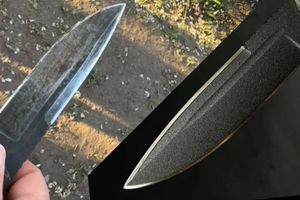
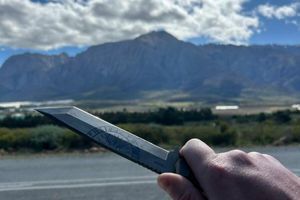
The most common blade shape in hunting knives is drop point. It features a gentle slope from the spine to the tip, allowing for:
-
Control when skinning;
-
Reduced risk of piercing internal organs;
-
Versatility in game processing.
Other shapes like clip point or spear point may also occur but are less common.
🔧 Example from ProstaSTAL
"Гайдамак" (Haidamak) — drop point geometry, 4.7 mm thick spine, 40° sharpening angle — perfect for hunting fieldwork.

3. 🖐 Handle: Secure Grip in Any Condition
The handle must be ergonomic, non-slip, and resistant to moisture and dirt.
Top materials include micarta, wood, nylon, and rubber.
Often designed with finger grooves or a textured surface for better control.
🔧 For example, the “Veles” knife features a micarta handle in a “stonewash” texture style — it won’t slip, even when wet or while wearing gloves.

4. Full Tang Construction
The blade runs through the entire handle — ensuring reliability and durability.
🔧 The "Shchedryk" knife by ProstaSTAL features a full tang construction and can withstand impact, even when chopping wood.

5. Presence of Quality Sheath
Ideally — a rigid sheath with secure retention.
Should be wearable on a belt, backpack, or tactical gear.
For hunters, it’s important that the sheath is quiet, easy to clean, and non-slip.
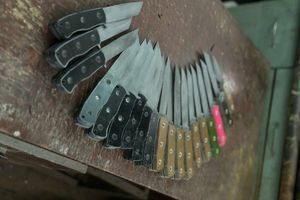
🔧 For example, ProstaSTAL knives come with colored Kydex sheaths that securely hold the knife even when turned upside down.
⚠️ What Is NOT Considered a Hunting Knife?
Kitchen knives, folding EDC knives, or letter openers.
Knives with overly thin blades or lacking secure fixation.
Knives without proper ergonomics or those with overly decorative designs that are unsuitable for real use.
| Feature | Hunting Knife | Household Knife |
|---|---|---|
| Steel | Х12МФ, D2, N690 | 420, 440, soft |
| Geometry | Drop point, curved | Straight |
| Handle | Micarta, wood | Plastic, rubber |
| Construction | Full tang | Partial, folding |
| Purpose | Hunting, field tasks | Kitchen, household use |
| Sharpening | Sharp and durable | Short-lived edge |
✅ Conclusion
A hunting knife is a tool that saves, supports, and serves for years. It’s not something you buy at a glance. A true hunting knife must have:
the right blade geometry,
reliable steel,
a comfortable handle,
durable construction,
wear-resistant coating.
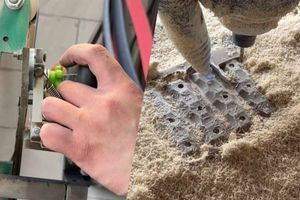
🛠 At ProstaSTAL, we craft handmade knives built to withstand real challenges. If you’re looking for a hunting knife — choose not a replica, but a proven tool.