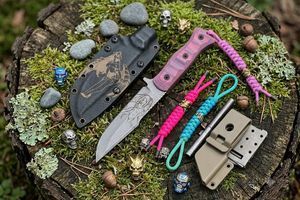

Polymer vs. Etching: Which Knife Coating Should You Choose? 🤔🔪
When choosing a knife, you often see complex terms in the description: "Polymer Coating", "Etching", "Stone Wash". This can be confusing for a beginner. Shouldn't steel just be... steel?
In reality, "bare" steel (satin or polished) is a magnet for scratches and rust. That’s why we apply protective coatings. But they work differently. Let’s figure out exactly how, and which one is right for you. 👇
1. Polymer Coating 🛡️
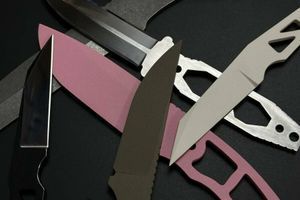
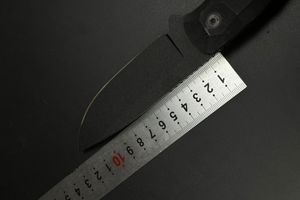
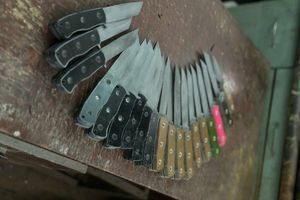
What is it: Imagine we put perfect, dense "armor" or a second skin on the knife. This is a layer of special polymer paint 🎨 that is baked in an oven to become one with the metal. We make them in classic Black and "Tan" (Coyote/Sand).
How it feels: The surface is smooth, matte, pleasant to the touch, similar to ceramic ✨.
What does this give you in practice?
- ☔ Maximum rust protection. As long as the polymer layer is intact, water, blood, lemon juice, or salt water simply cannot reach the steel. It's like a raincoat for your knife.
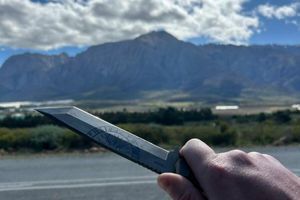
- 😎 "Invisible" to the sun. Polymer completely absorbs light. If you are hunting or fishing, the knife won't cast a sun "glint" or reflection that could scare away prey.
- 🌡️ Temperature comfort (Especially TAN color). Black metal heats up in the sun so much that it becomes impossible to hold. Polymer, especially light colors (Tan/Coyote), heats up significantly less. In winter, it doesn't chill your hand as much as bare metal ❄️.
Who is this for: Those who want a knife that looks neat, tactical, and is maximally protected from moisture.

2. Etching and Stone Wash 🪨
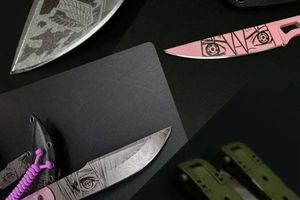
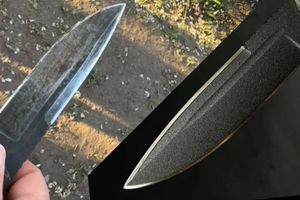
What is it: Here, we don't apply anything on top. We change the surface of the steel itself. First, the blade is "bathed" in a special solution (etching) to darken it. Then it is thrown into a drum with stones (Stone Wash — literally "washing with stones"). The stones hit the blade, creating thousands of tiny, chaotic scratches.
How it feels: The surface is rough, brutal, looking like worn denim 👖 or old stone.
What does this give you in practice?
- 🙈 Scratch camouflage. This is the main feature! If you bought a knife with a polymer coating and scratched it badly on a nail, you would see a streak. On Stone Wash, the scratch simply won't be visible because the entire knife is already made of "scratches." Ideal for hard work 🔨.
- 🧈 Easier cutting. Sounds strange, but a rough surface cuts better. A smooth knife "sticks" to products (remember how hard it is to cut cheese or wet potatoes). Rough Stone Wash creates micro-air pockets, so the blade gets stuck less.
- 🤠 "Seasoned" Style. Such a knife looks like it has already been through a hundred hikes with you, even if you just took it out of the box.
Who is this for: Those who plan to "abuse" the knife with work: chopping branches, digging, opening crates. For those who don't want to worry about every scratch.

⚠️ Main Mistake: "If it has a coating, it doesn't need care"
Many people think: "I bought a knife in polymer, now it's eternal, I don't need to wash it". This is a dangerous myth! 🚫
Here is why any knife needs to be looked after:
- ⚔️ The cutting edge is always bare. Look at the blade: the sharpest part (which you cut with) is sharpened, meaning the coating is removed there. It is pure steel. If you leave the knife wet or dirty, the cutting edge will start rusting first.
- 🏜️ Sheath mechanism. If you stick a dirty knife into the sheath, sand remains inside. Every time you pull the knife out, this sand will scratch the coating like sandpaper.
- 🧼 Hygiene. Polymer and Stone Wash have texture. Fat from sausage, fruit juice, or tree resin can get clogged in the micropores.
⏱️ How to care for it (takes 30 seconds):
- Just wipe it down. After use, wipe the knife dry on your pants or a rag.
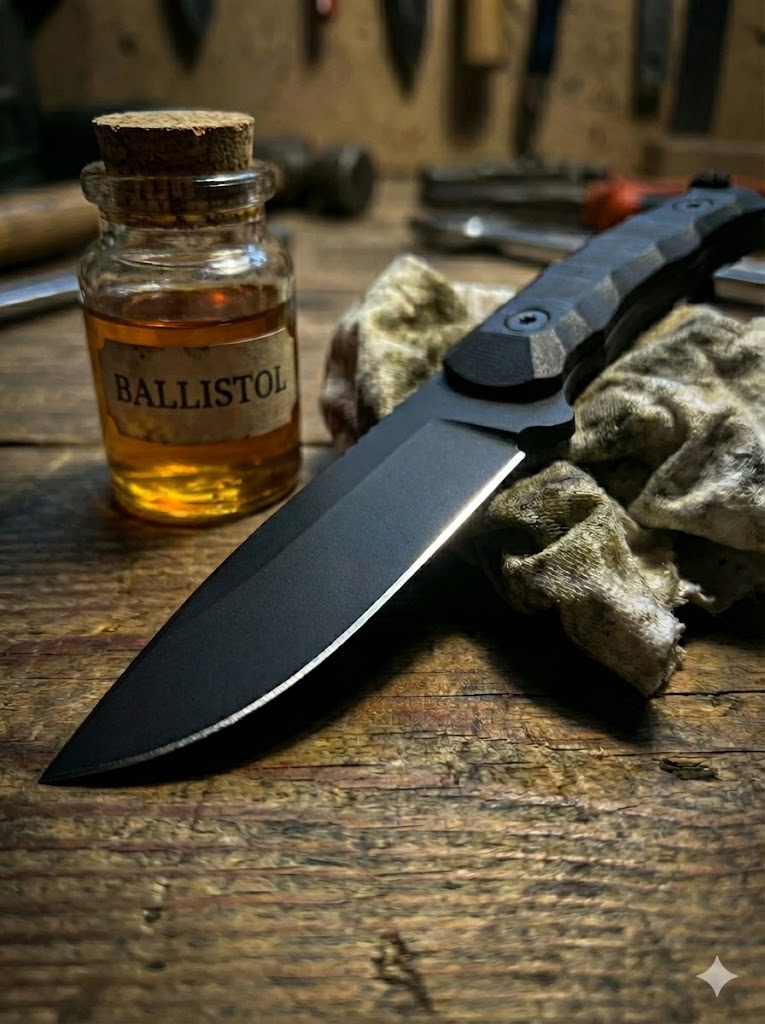
- A drop of oil. At least once a month (or after washing), drip a little ordinary oil (even Vaseline oil from the pharmacy) on the blade and rub it in. This creates an invisible film on the cutting edge.
✅ Summary: What to Choose?
- Want maximum rust protection and a tactical, solid-color look? 👉 Choose Polymer (Black or Tan).
- Want a knife that doesn't fear scratches, looks brutal, and is ready for the dirtiest work? 👉 Choose Etching + Stone Wash.
Both options are professional solutions that are significantly better than ordinary shiny steel. Choose your style and be confident in your tool! 🔥