🔪 D2 vs. X12MF: What is the Difference and Which Steel to Choose?
Among knife enthusiasts and makers, the debate has raged for a long time: which is better — D2 or its counterpart X12MF? At first glance, they are almost twins in composition, but the real difference lies in the details: production technology, metal purity, and heat treatment.
Let's dive in and see if there is a real difference in performance or if it's more about the maker's preference and approach.
⚙️ Part 1: Chemical Composition and "Family Ties"
Both steels are high-carbon (1.4–1.6% Carbon) and have a high Chromium content (11–13%). This makes them "semi-stainless": they are much more resistant to corrosion than simple carbon steels, but still require basic care to prevent spotting or darkening.
| Element | D2 (%) | X12MF (%) |
|---|---|---|
| Carbon (C) | 1.40 – 1.60 | 1.45 – 1.65 |
| Chromium (Cr) | 11.0 – 13.0 | 11.0 – 12.5 |
| Molybdenum (Mo) | 0.70 – 1.20 | 0.40 – 0.60 |
| Vanadium (V) | 0.50 – 1.10 | 0.15 – 0.30 |
👉 D2 usually contains more Molybdenum and Vanadium — this provides better wear resistance, a finer grain structure, and more consistent results in mass production.
⚔️ Part 2: Performance in the Field
1. Cutting Edge Retention
- D2 — offers a more “aggressive” bite and generally holds its edge slightly longer.
- X12MF — can feel a bit "tougher" or more viscous during cutting, making it easier to hone in field conditions.
2. Corrosion Resistance
D2 typically resists rust better. However, it’s important to note: if X12MF is produced using the ESR (Electroslag Remelting) method, its purity increases significantly, making it almost equal to its American counterpart.
3. Strength and Brittleness
- X12MF — considered more "viscous" or ductile, handling moderate impacts better.
- D2 — harder, but at high hardness levels (60+ HRC), it can be prone to micro-chipping.
👉 Neither steel likes lateral loads, hacking through bones, or "hardcore survival" (like batoning through nails).
🧠 Part 3: Which One Should You Choose?
For most users, the difference in everyday use will be nearly unnoticeable. It all comes down to the heat treatment, the maker's skill, and the specific task of the knife.
- Choose D2 if you want a modern standard, consistent quality, long-lasting edge retention, and "American standard" wear resistance.
- Choose X12MF if you value a time-tested classic that, when forged and heat-treated correctly, yields phenomenal results and is easier to maintain.
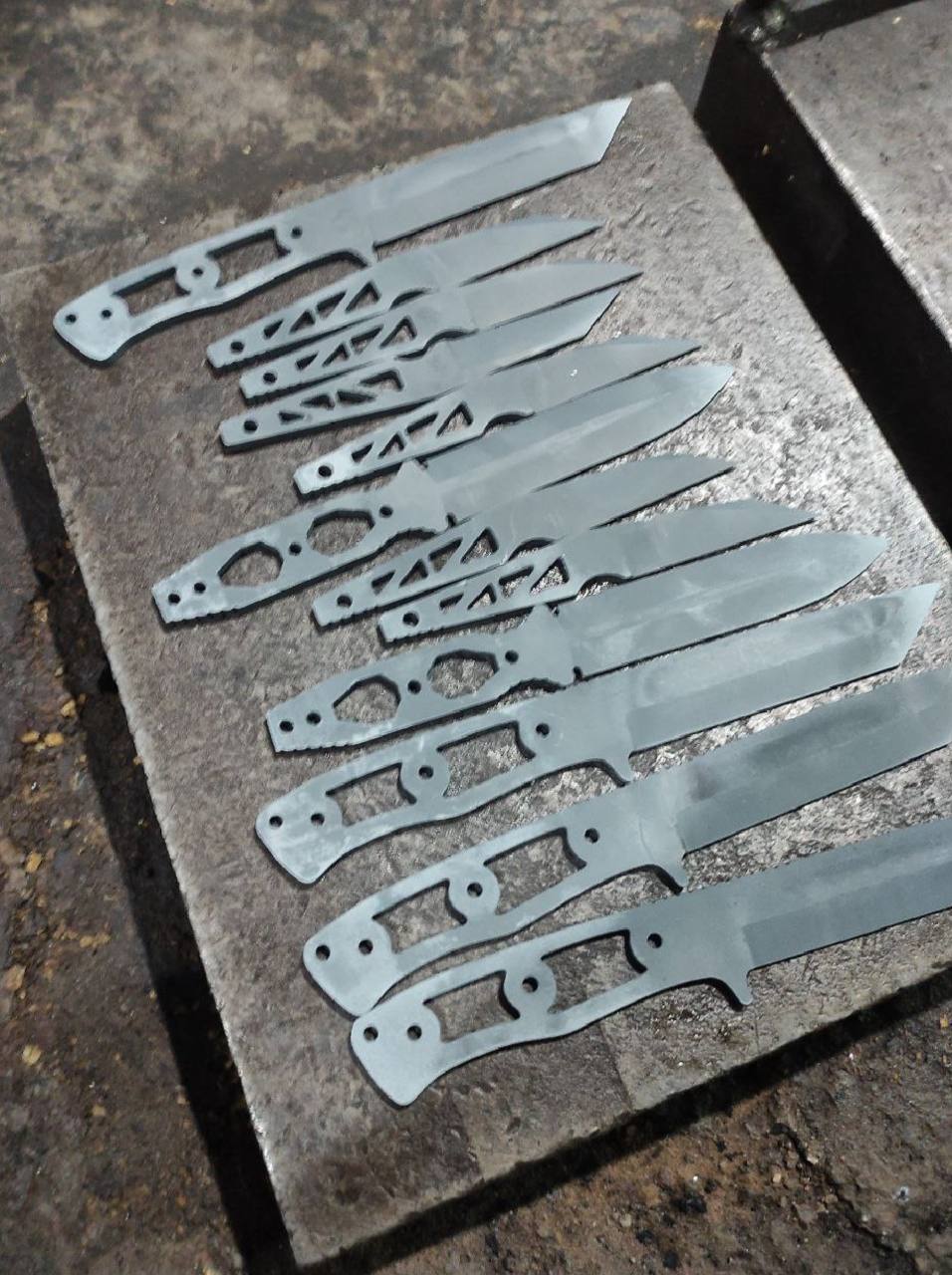
At ProstaSTAL, we work extensively with X12MF, carefully selecting heat treatment modes to suit your tasks — from an EDC knife to a heavy-duty tool. Ultimately, a great knife isn't defined just by the name of the steel, but by how well it has been "unlocked."