
5 Main Myths About Tactical Knives: How Not to Be Deceived When Choosing
The topic of the "ideal weapon" is always surrounded by legends. When looking for a military knife, people often rely on movie scenes or advice from "armchair experts." Because of this, buyers frequently ignore truly superior options in favor of shiny but useless toys. Today, we will debunk the most popular myths and find out why reality is much more practical yet more reliable.
Myth 1. "A military knife must be huge"
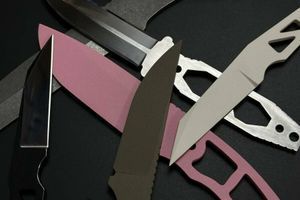
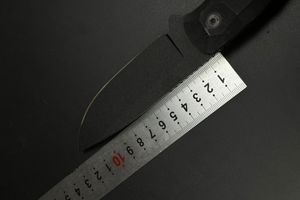
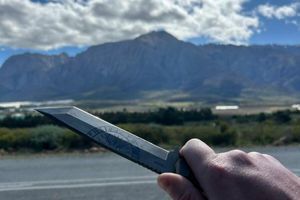
Many believe: the bigger the blade, the more powerful it is. In reality, huge cleavers are inconvenient. They weigh a lot, interfere with walking, and are completely unsuitable for fine work.
Myth 2. "There is a steel that doesn't need to be sharpened"
This is the most dangerous mistake. Any steel will dull if you work with it. The only difference is how quickly it happens.
Myth 3. "Micarta is just expensive plastic"
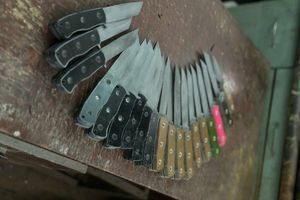
Some buyers think there is no point in overpaying for micarta if there is ordinary plastic.
Myth 4. "The harder the steel, the better the knife"
High hardness (60+ HRC) is good for cutting, but bad for impact loads. If the steel is too hard, the knife can shatter like glass when trying to pry something.
Myth 5. "A real knife should be cold to the touch"
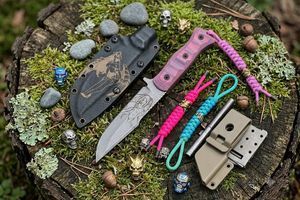
Metal handles look impressive, but in winter they become your enemy. It is impossible to work with them without gloves — the hand freezes instantly.
Conclusion
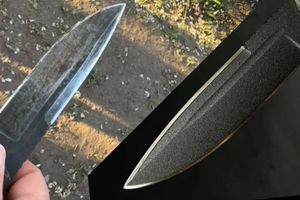
Don't look for a "magic knife" from movies. Look for time-tested solutions. The combination of X12MF steel and micarta in a "full tang" design is not a myth, but a reality tested by thousands of soldiers. It is what truly works, does not break, and does not fail at the crucial moment.